

Understanding Non-UK Gambling Operators: A Global Perspective
In recent years, the gambling industry has experienced significant growth, buoyed by technological advancements and an expanding global audience. Non-UK gambling operators have played a crucial role in this transformation, providing players around the world with diverse gaming options and unique experiences. In this article, we delve into the complexities and nuances of non-UK gambling operators, examining their operational frameworks, regulations, and the implications they have on global gambling practices. For more insights on responsible gambling, visit non UK gambling operators https://positive-choices.com/.
The Landscape of Non-UK Gambling Operators
Non-UK gambling operators encompass a wide range of companies that provide gambling services outside the jurisdiction of the United Kingdom. These operators may be based in various countries, each with its own legal and regulatory frameworks. Some of the most popular destinations for non-UK gambling operators include Malta, Gibraltar, and Curacao. These jurisdictions are renowned for their favorable regulatory environments and tax structures, attracting numerous online casinos and sportsbooks.
Regulatory Differences
One of the defining features of non-UK gambling operators is the diverse regulatory landscape they operate within. Unlike the UK Gambling Commission, which enforces strict regulations and consumer protections, many other jurisdictions have looser regulations. This lack of uniformity can lead to variations in player protections, responsible gambling measures, and overall operational transparency.
For instance, in Malta, the Malta Gaming Authority (MGA) imposes rigorous licensing requirements that ensure operators adhere to high standards of fairness and security. On the other hand, Curacao offers a much simpler licensing process, often appealing to smaller operators or startups. While this can foster innovation, it can also present risks for players who may encounter unregulated or poorly regulated operators.
The Importance of Licensing
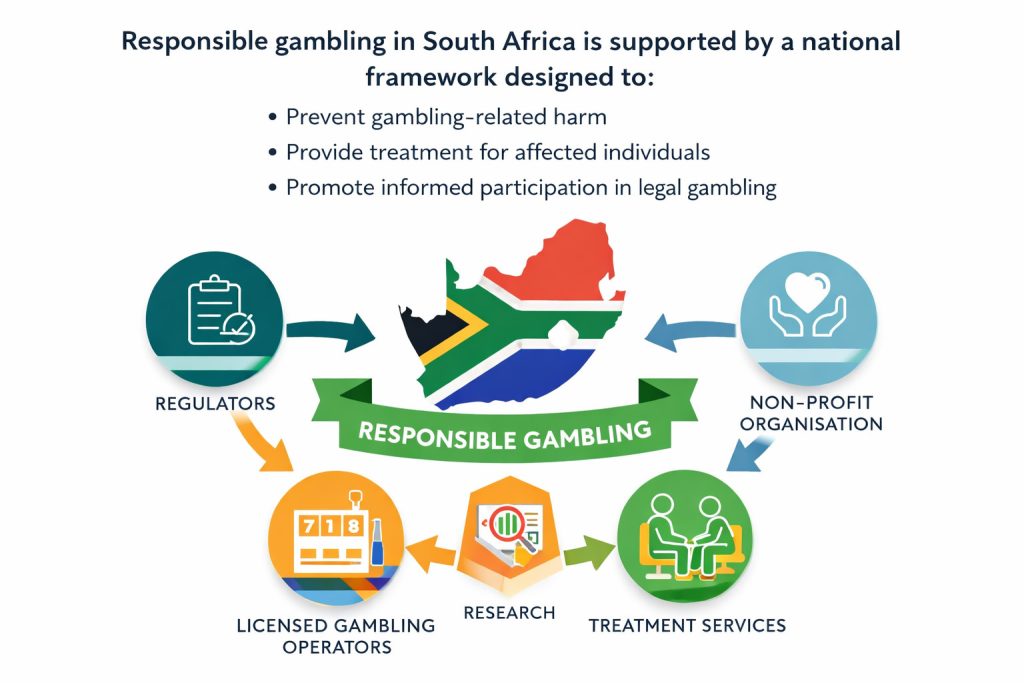
Licensing is a critical aspect of the gambling industry, as it provides a layer of security and assurance for players. Non-UK gambling operators often hold licenses from various jurisdictions, which can serve as indicators of their legitimacy and adherence to regulatory standards. When choosing to play at a non-UK operator, players are encouraged to verify the legitimacy of the operator’s license and ensure that it is issued by a reputable authority.
Some key points to consider when assessing a non-UK gambling operator’s licensing include:
- The reputation of the licensing authority.
- The specific requirements the operator must meet to maintain its license.
- Any complaints or actions taken against the operator by its licensing authority.
Market Presence of Non-UK Operators
Non-UK gambling operators have made significant inroads into international markets, offering varied gambling products tailored to different audience preferences. Online casinos, sportsbooks, poker rooms, and bingo halls operated by these companies often feature a wide selection of games, promotional offers, and payment methods, catering to a diverse clientele.
The rise of non-UK operators can be attributed to several factors:
- Diverse Game Offerings: Many non-UK operators collaborate with top game providers, offering a plethora of games, ranging from traditional table games to modern video slots.
- Attractive Bonuses: In competition for players, non-UK operators often provide lucrative welcome bonuses, free spins, and loyalty rewards, enticing players who seek value.
- Multi-Currency and Payment Options: Non-UK operators frequently offer a variety of payment methods, including cryptocurrencies, which appeal to a global audience.
Challenges Faced by Non-UK Operators
Despite their advantages, non-UK gambling operators face several challenges in the international market. These challenges can range from regulatory pressures to changes in consumer behavior and competition from other operators.
One significant challenge is the varying legal status of online gambling in different countries. While some jurisdictions have embraced online gambling, others impose strict regulations or outright bans, leading to operational and marketing hurdles for non-UK operators. Additionally, the rise of responsible gambling initiatives means that operators must invest in consumer protection measures to avoid reputational damage and regulatory scrutiny.
The Impact on Players
Players can significantly benefit from engaging with non-UK gambling operators. The increased competition in the industry often results in better odds, more game options, and enhanced customer service. However, players must also exercise caution and conduct thorough research to ensure they are engaging with reputable operators.
Key considerations for players include:
- Research and Reviews: Players should read reviews and check player feedback to gauge an operator’s reputation.
- Responsible Gambling Measures: Operators should provide tools and resources to help players gamble responsibly, including self-exclusion options and deposit limits.
- Data Protection: Players should verify that operators adhere to robust data protection measures to safeguard their personal and financial information.
Conclusion
Non-UK gambling operators have carved out a significant niche within the global gambling landscape, offering diverse gaming options and catering to an increasingly international audience. However, the complexities of varying regulations, licensing challenges, and the need for responsible gambling measures must be acknowledged. By researching and understanding the implications of engaging with non-UK operators, players can make informed decisions and enjoy a safer, more rewarding gambling experience.
In summary, while non-UK gambling operators present exciting opportunities for players, it is essential to approach this diverse field with care and knowledge. The gambling industry will continue to evolve, and understanding the role of non-UK operators will be pivotal for both players and the industry at large.